
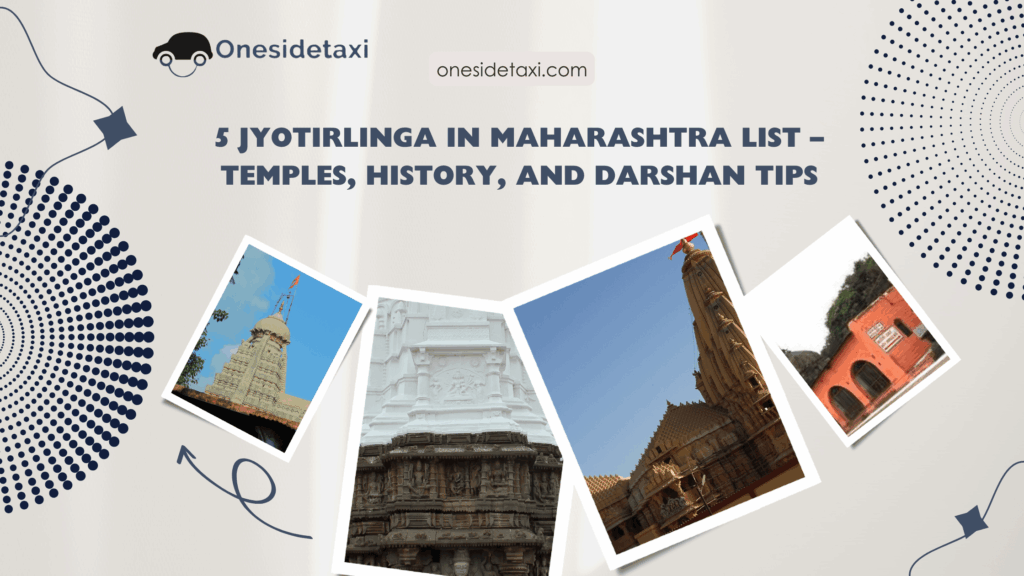

The 5 Jyotirlinga in Maharashtra list is one of the most sacred pilgrimage circuits for Lord Shiva devotees in India. These five temples, also known as the Panch Jyotirlinga in Maharashtra, are not just holy places. They carry deep spiritual and mythological value. If you are thinking about visiting, One Side Taxi offers a complete 5 Jyotirlinga in Maharashtra tour package.
This sacred journey is more than just a religious trip. It offers peace, natural beauty, and a cultural connection as you travel through different parts of Maharashtra. Every stop on the Panch Jyotirlinga in Maharashtra route brings a new experience filled with devotion and divine energy.
What is a Jyotirlinga?
A Jyotirlinga is a special form of Lord Shiva worshipped in a self-manifested (Swayambhu) form. There are 12 Jyotirlingas in India, and five are found in Maharashtra. Each temple in The 5 Jyotirlinga in Maharashtra list has its own unique story and spiritual power, making it a must-visit for every Shiva devotee.
Best 5 Jyotirlinga in Maharashtra
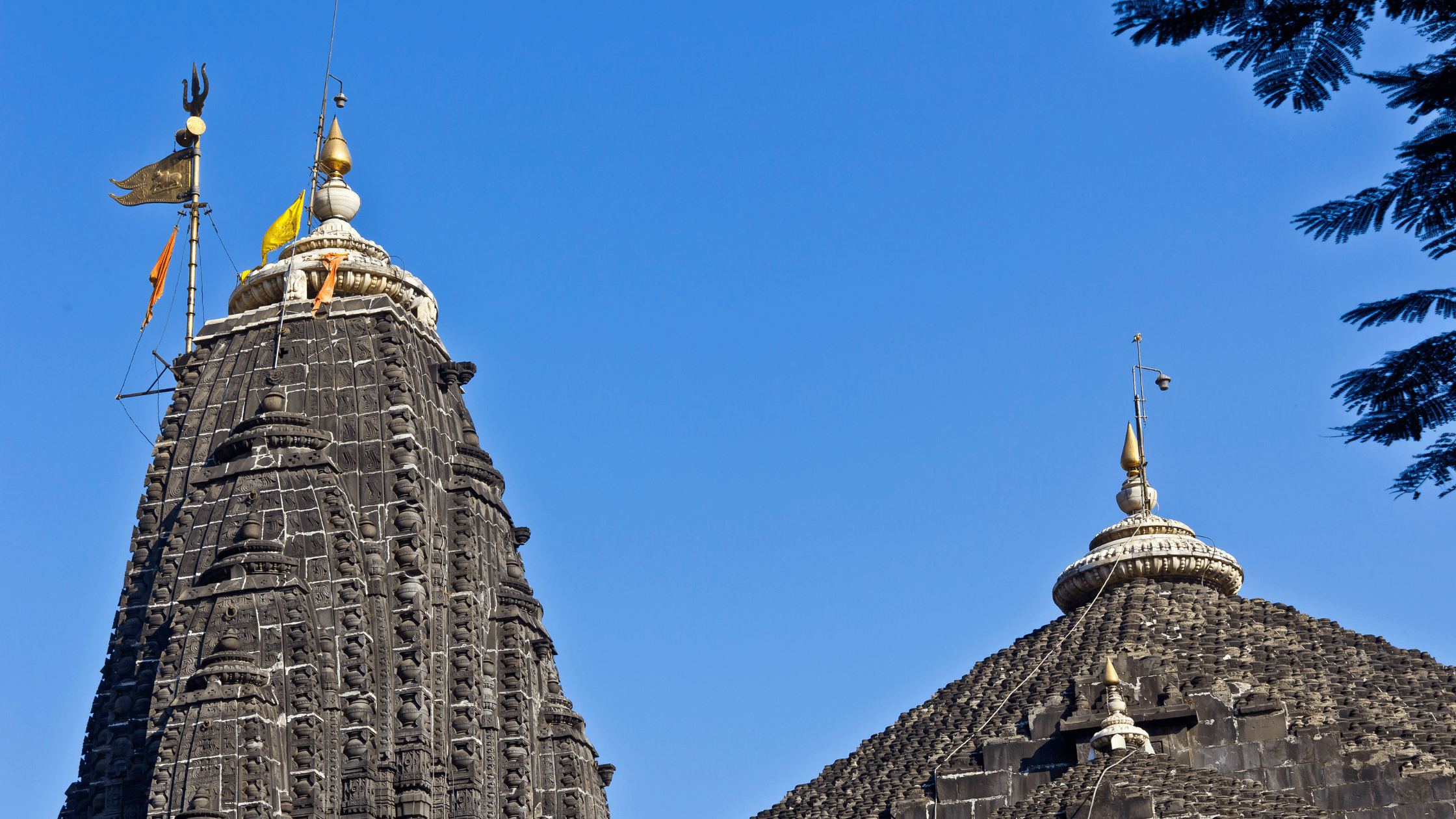
1. Trimbakeshwar Jyotirlinga (Nashik)
- Whose temple is it: This is Lord Shiva’s temple.
- Location: Trimbak town, near Nashik city, Maharashtra. It is about 28 km from Nashik.
- Installed: Mentioned in the ancient Hindu scripture Shiva Purana. It is believed to be more than 5,000 years old.
The Sacred Story Behind Trimbakeshwar Temple
Trimbakeshwar is a sacred town located at the source of the Godavari River, which is called “Ganga of the South.” It is said that Lord Shiva appeared here to bless the sage Gautam Rishi, who prayed for the river to come to earth. Due to this story, the place became holy, and the Jyotirlinga formed.
The temple was rebuilt in 18th century by Peshwa Balaji Baji Rao. It is made with black stone and has beautiful carvings.
Idol Appearance:
Inside the temple, the Shivling is very unique. It has three small faces – one each for Brahma (creator), Vishnu (protector), and Mahesh (destroyer). This is the only Jyotirlinga in India where all three gods are worshipped together.
Due to high moisture, the Shivling is wearing out slowly. To protect it, a silver mask or a gold crown is often placed over it during puja.
What Makes the Trimbakeshwar Shivling Unique
- Only Jyotirlinga with three-faced Shivling.
- Source of the Godavari River.
- A center for ancient Vedic learning and rituals.
- One of the best places to perform Kaal Sarp Dosh Nivaran and Narayan Nagbali pujas.
Festivals and Darshan Experience at Trimbakeshwar Jyotirlinga
- Most crowded during Mahashivratri and the holy month of Shravan (July–August).
- Also busy on Monday mornings, which are considered Lord Shiva’s favorite.
- The temple hosts a big Kumbh Mela once every 12 years, which attracts lakhs of devotees.
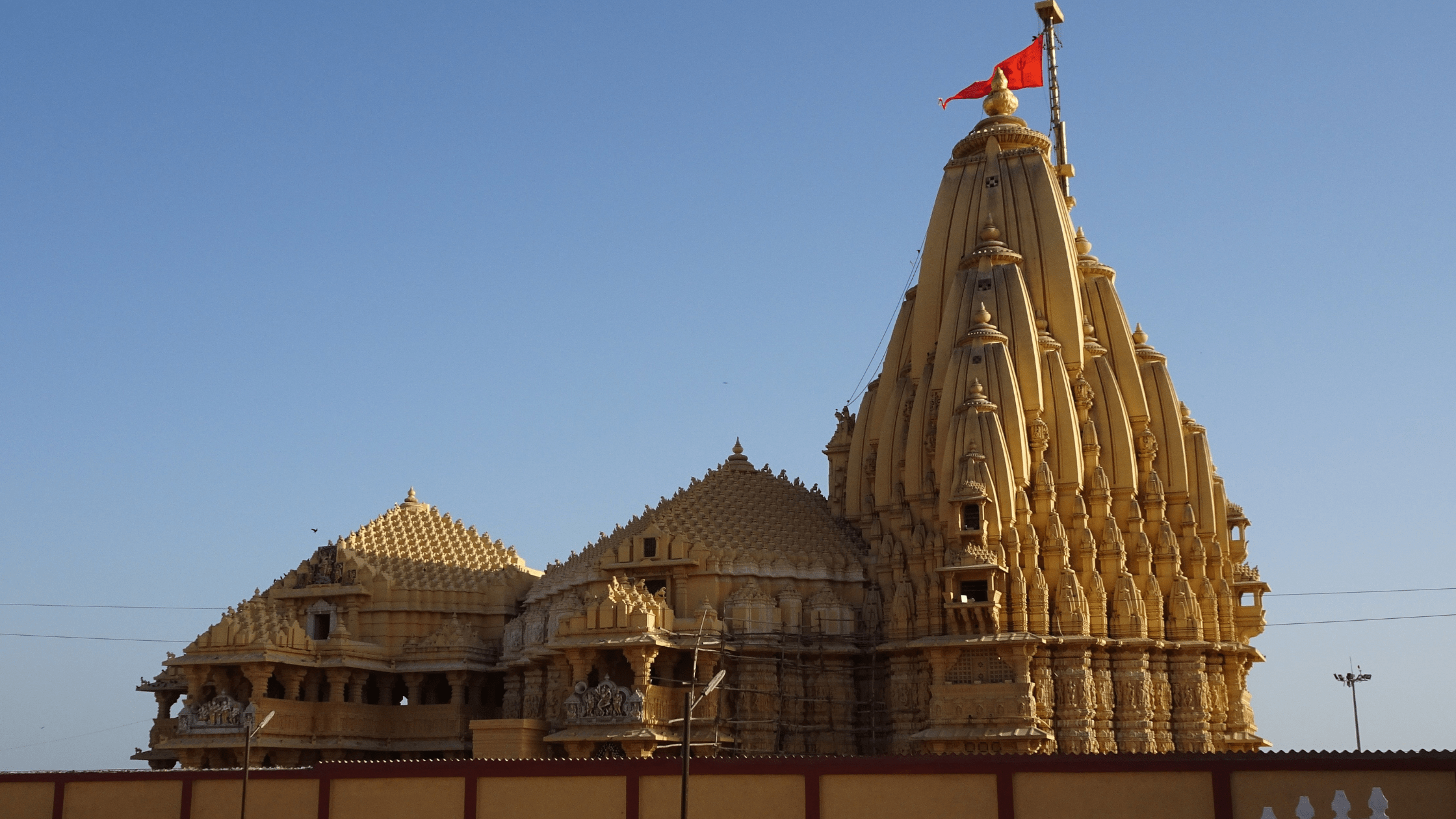
2. Bhimashankar Jyotirlinga (Pune)
- Whose temple is it: Dedicated to Lord Shiva.
- Location: In the Sahyadri hills, near Bhorgiri village in Pune District, Maharashtra. Around 110 km from Pune city.
- Installed: Dates back to 13th century, though many believe the Shivling existed much earlier.
History Behind Bhimashankar Temple
According to stories, Lord Shiva came here to kill a demon named Tripurasura, who was troubling gods and sages. After defeating him, Shiva stayed here in the form of a Jyotirlinga. The temple was later built by Nana Phadnavis during the Maratha era.
The area around the temple is now a wildlife sanctuary and protected forest.
Idol Appearance:
The Shivling is Swayambhu, meaning it formed on its own. It is black and shiny, and kept inside a simple stone sanctum.
Special Things About Bhimashankar Temple
- Surrounded by dense green forest, making it one of the most scenic Jyotirlingas.
- It is the origin of the Bhima River, which joins the Krishna River.
- The temple follows Nagara-style architecture and has carvings of scenes from epics like Ramayana and Mahabharata.
Aarti, Devotion & Festivals of Bhimashankar
- Mahashivratri is the biggest festival here.
- The whole Shravan month is also very special, with thousands of pilgrims walking through the forest to reach the temple.
- Monsoon and winter are the best seasons to visit due to the cool and green environment.
Also Read: Best Road Trips in India
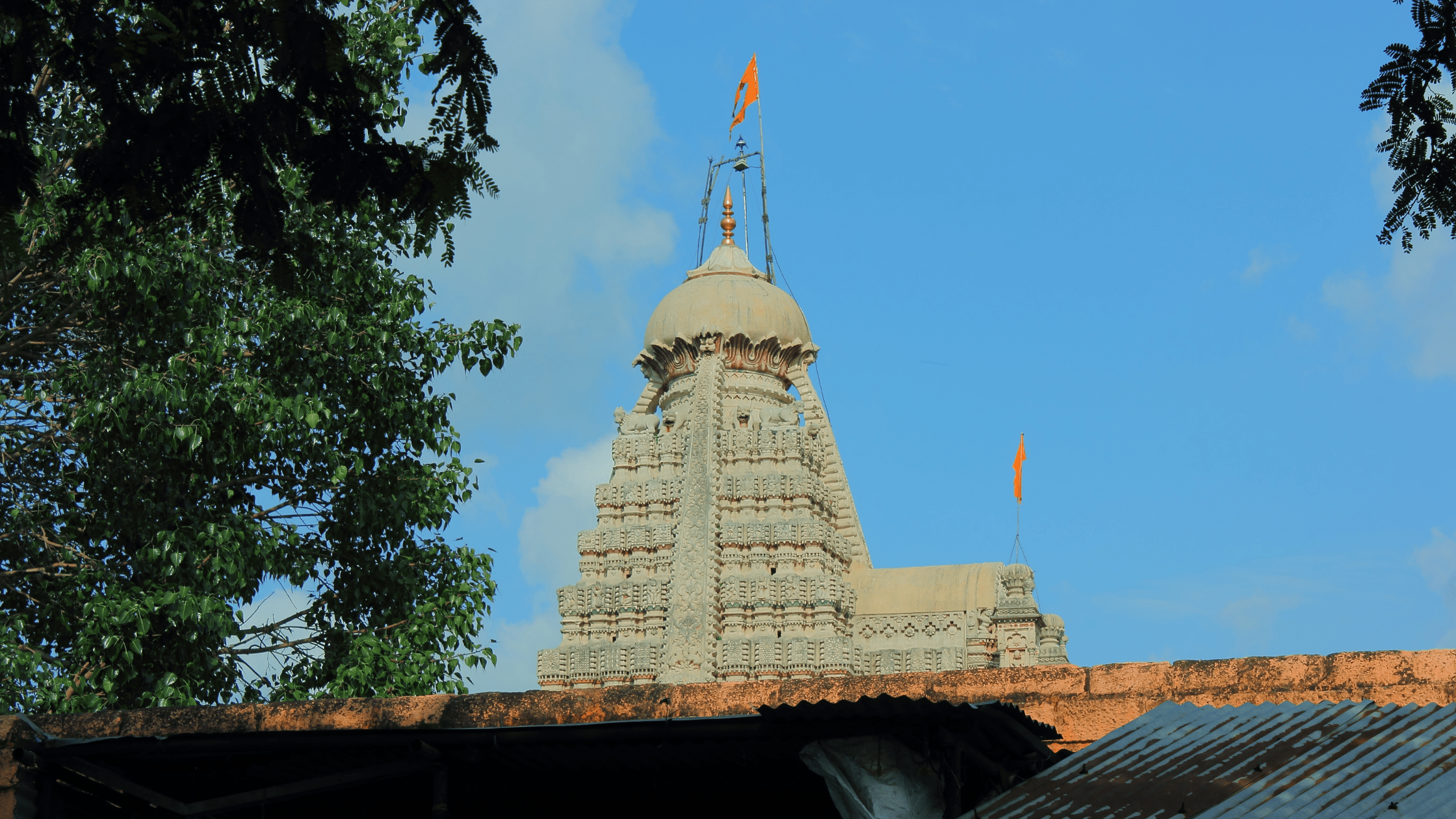
3. Grishneshwar Jyotirlinga (Aurangabad)
- Whose temple is it: This temple is for Lord Shiva.
- Location: In the village of Verul, near Ellora Caves, Aurangabad District, Maharashtra.
- Installed: Originally ancient; current structure rebuilt in the 18th century by Ahilyabai Holkar, the queen of Indore.
The Ancient Tale of Grishneshwar Temple
The temple is mentioned in Shiva Purana. The story says a woman named Ghushma, a great devotee of Lord Shiva, used to make 101 Shivalings every day and immerse them in a lake. Her jealous sister-in-law killed her son. But due to her faith, Lord Shiva brought her son back to life and blessed the place with a Jyotirlinga.
Queen Ahilyabai renovated the temple and made it what it is today.
Idol Appearance:
The Shivling is small and smooth, made of black stone, and placed in a deep sanctum. Devotees can go close to touch and offer water or milk.
What Makes Grishneshwar Jyotirlinga Unique:
- This is the last Jyotirlinga among the 12.
- Just 1 km away from the world-famous Ellora Caves, a UNESCO heritage site.
- Less crowded than other temples, giving you peaceful darshan.
Visiting Grishneshwar Jyotirlinga – Darshan and Festival Info:
- Huge crowd on Mahashivratri.
- Also celebrated during Navratri.
- Winter (October to February) is the best time to visit due to pleasant weather.
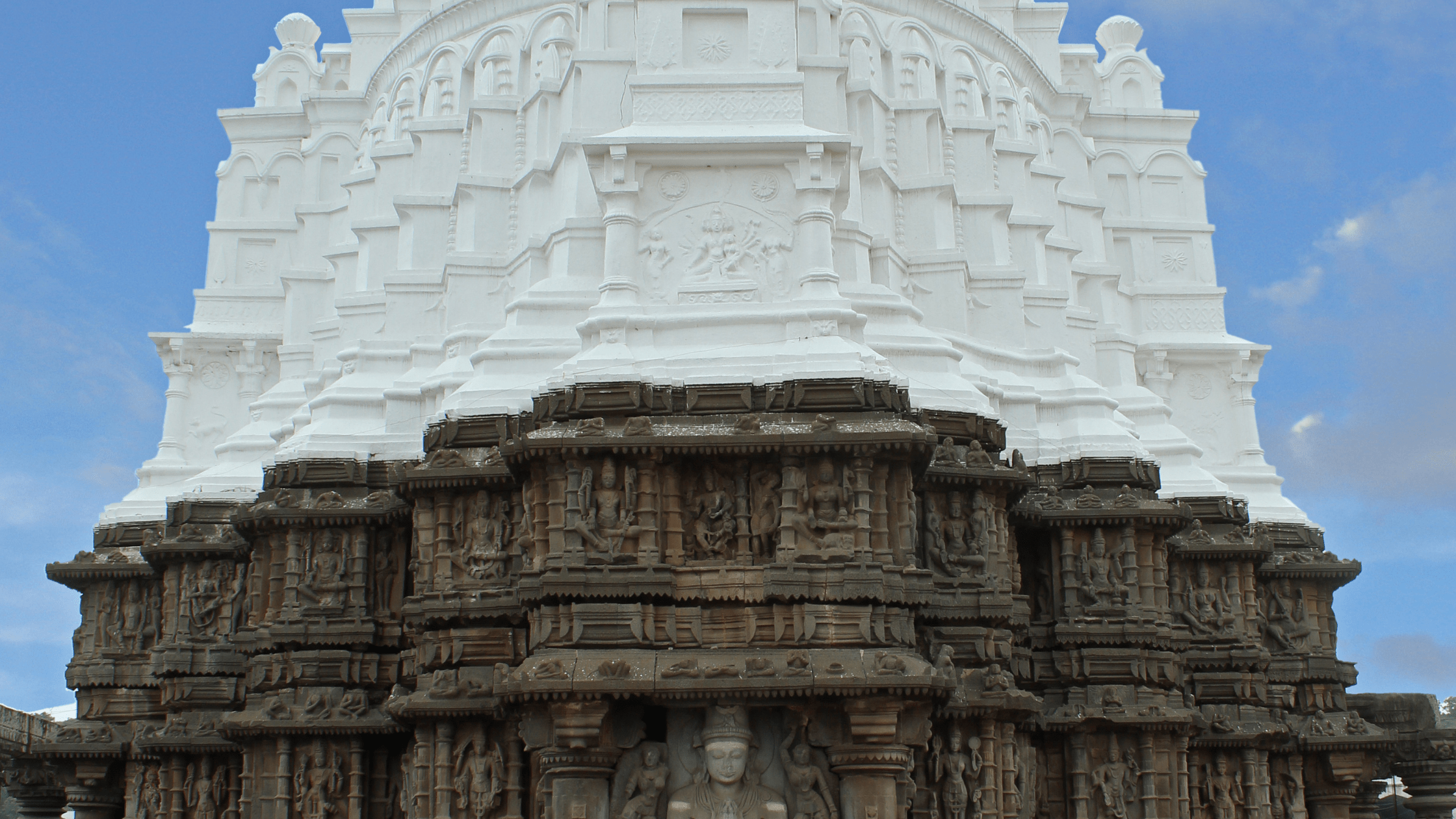
4. Aundha Nagnath Jyotirlinga (Hingoli)
- Whose temple is it: Dedicated to Lord Shiva, known here as Nagnath.
- Location: Aundha town in Hingoli District, Maharashtra.
- Installed: Believed to be built during the Mahabharata era by Yudhishthira, the eldest Pandava.
Spiritual History of Aundha Nagnath Jyotirlinga:
As per legend, the Pandavas built this temple during their exile. The temple is over 2,000 years old and has survived attacks from invaders. Many parts have been repaired over time. The architecture shows a mix of North and South Indian styles.
The temple was once covered under earth after attacks and was rediscovered much later by villagers.
Idol Appearance:
The Shivling is placed deep underground, and devotees go down steps to have darshan. It is very sacred, and people believe all sins are removed after praying here.
Reasons to Visit Aundha Nagnath Jyotirlinga
- Only Jyotirlinga where the Garbhagriha is underground.
- Combination of Dravidian and Hemadpanthi architecture.
- The temple walls have carvings of stories from Ramayana, Mahabharata, and Puranas.
Darshan Rituals and Festival Highlights at Aundha Nagnath:
- Most crowded during Mahashivratri.
- Shravan month, especially Mondays, see heavy footfall.
- Local festivals and fairs also take place around the temple grounds.
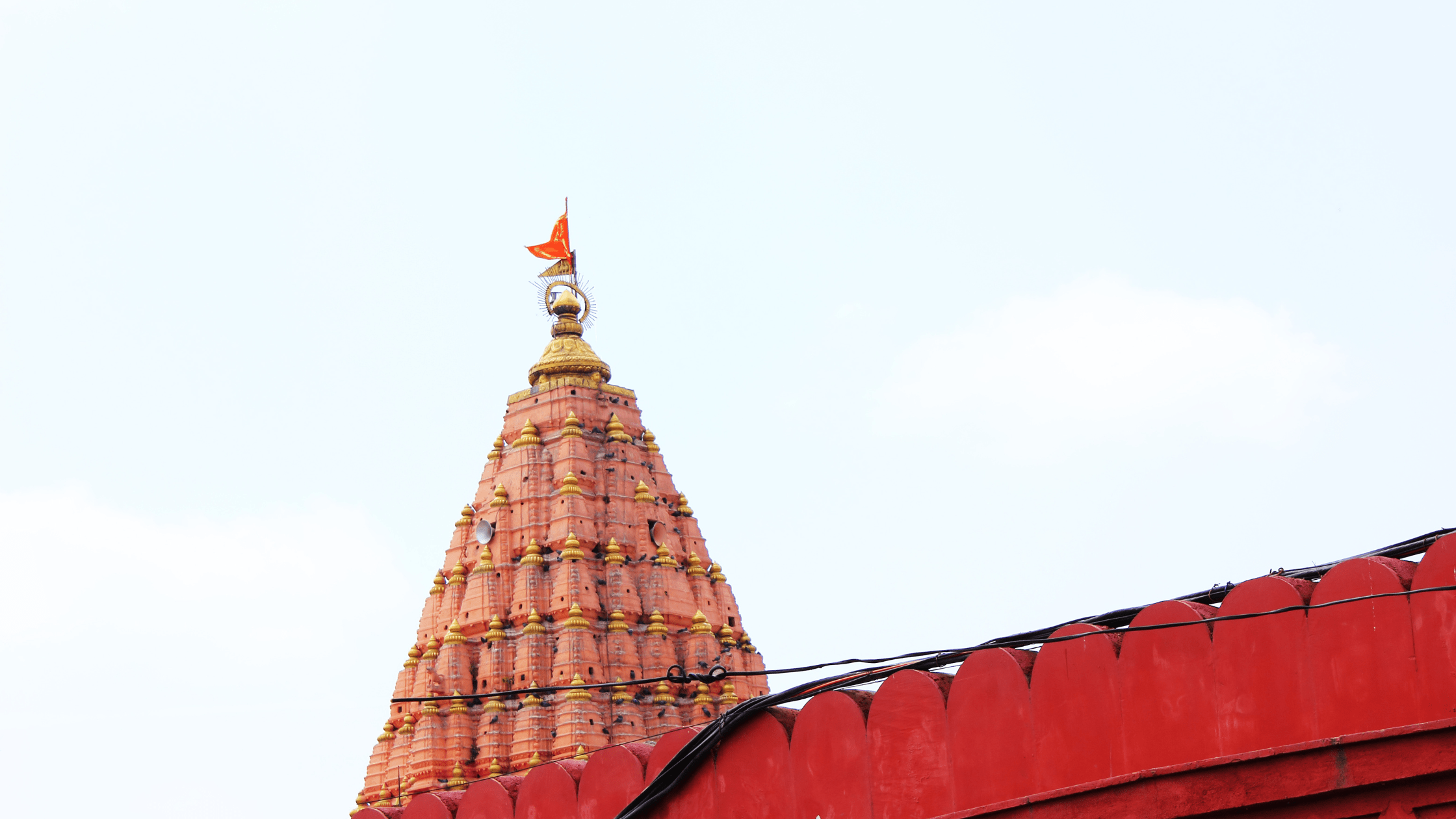
5. Parli Vaijnath Jyotirlinga (Beed)
- Whose temple is it: This is Lord Shiva’s temple, known here as Vaijnath.
- Location: In Parli, Beed District, Maharashtra.
- Installed: The temple is ancient, and was later rebuilt by kings and renovated by Queen Ahilyabai Holkar.
Historical Significance of Parli Vaijnath Temple:
Legends say that Lord Vishnu once worshipped Shiva here with tulsi leaves. Hence, this temple allows both tulsi and bilva leaves, unlike other Shiva temples. The temple was an important place during the Vaidyanath Yatra and has a long tradition of healing.
Idol Appearance:
The Shivling is smooth and black, kept in the center of the sanctum. It is said to have healing powers, and people come here to pray for health and recovery.
Parli Vaijnath Jyotirlinga – What Makes It Unique
- Tulsi leaves are allowed here (rare in Shiva temples).
- Belief that diseases are cured by praying here.
- Architecture is a mix of Hemadpanthi and Maratha design.
- The sanctum is always cool, even in summer.
Parli Vaijnath Jyotirlinga – Darshan Details and Festivels Times
- Mahashivratri and Shravan Mondays are the most sacred times.
- A big annual fair takes place around Mahashivratri.
- Many newly married couples come here to seek blessings for a healthy family life.
Also Read: Top Places to Visit in Mahabaleshwar
List of Other Jyotirlingas in India
| Temple Name | Location | Deity/Form of Shiva | Why It Is Unique |
|---|---|---|---|
| Somnath | Prabhas Patan, Gujarat | Somnath (Lord of the Moon) | Believed to be the first Jyotirlinga. Destroyed and rebuilt multiple times in history. |
| Mallikarjuna | Srisailam, Andhra Pradesh | Mallikarjuna | Located on a mountain, it is both a Jyotirlinga and a Shakti Peetha. |
| Mahakaleshwar | Ujjain, Madhya Pradesh | Mahakaleshwar | Only south-facing (Dakshinamukhi) Jyotirlinga. Associated with tantric traditions. |
| Omkareshwar | Mandhata Island, Madhya Pradesh | Omkareshwar | Shaped like the sacred ‘Om’ symbol; located on an island in the Narmada River. |
| Kedarnath | Kedarnath, Uttarakhand | Kedarnath | Highest located Jyotirlinga in the Himalayas; part of the Char Dham Yatra. |
| Vishwanath | Varanasi, Uttar Pradesh | Vishwanath (Kashi Vishwanath) | Located in one of the world’s oldest living cities; major center of Shiva devotion. |
| Baidyanath | Deoghar, Jharkhand | Baidyanath (Vaidyanath) | Known as the “Healer Shiva”; associated with Ravana’s devotion and sacrifice. |
You can visit all 12 Jyotirlingas in India over time, but many start with the 5 Jyotirlinga in Maharashtra tour package as it is easier to cover in one trip.
3 Jyotirlinga in Maharashtra Tour Package from Mumbai
If you’re short on time but still wish to experience the spiritual essence of Lord Shiva, the 3 Jyotirlinga in Maharashtra tour package is a perfect choice. This tour includes darshan at three important temples: Trimbakeshwar, Bhimashankar, and Grishneshwar Jyotirlinga.
These temples are well-connected by road and can be covered easily in a 2-night, 3-day trip. It’s ideal for weekend travel, especially for families, elderly pilgrims, or anyone looking for a peaceful getaway. Most travelers start this journey from Mumbai or Pune, making it a convenient pilgrimage circuit.
- Trimbakeshwar Jyotirlinga is near Nashik and is famous for its spiritual energy and ancient rituals.
- Bhimashankar Jyotirlinga lies in the Sahyadri hills and offers both divine blessings and natural beauty.
- Grishneshwar Jyotirlinga, located near Ellora Caves, gives you a chance to explore history and devotion together.
This short tour is a great option if you want to experience the spiritual power of Jyotirlingas without long travel. Whether you’re a solo pilgrim or planning with family, this 3 Jyotirlinga in Maharashtra tour package delivers a memorable and soulful experience.
Why These Jyotirlingas Are Special
The Jyotirlingas are more than just temples. Each one holds a unique story and is connected to Lord Shiva’s divine presence. These sacred places are a blend of faith, culture, history, and personal experience that has been passed down through generations.
They are located in areas surrounded by natural beauty such as rivers, forests, and hills. Every temple’s location has its own local food, language, customs, and traditions that make the visit even more meaningful.
Visiting these temples is not only about offering prayers or performing rituals. It is a journey toward finding peace, healing, and inner strength. Many pilgrims share that after completing the journey, they feel a sense of lightness and deep satisfaction.
Whether you are traveling alone or with family, these temples offer an opportunity to connect with nature, explore cultural heritage, and create memories that last a lifetime.
Travel Tips for Your Jyotirlinga Tour
- Carry light and comfortable clothes
- Visit early morning to avoid crowds
- Follow temple rules and respect traditions
- Carry water and snacks for long trips
- Plan for elders’ comfort with fewer steps and transport
- Check weather, especially in monsoon and summer
Frequently Asked Questions (FAQs)
1. How many Jyotirlingas are there in Maharashtra?
There are five important Shiva temples in Maharashtra that are part of the larger group of 12 Jyotirlingas across India. These temples are highly revered and visited by devotees from all over.
2. What is the best time to visit these temples?
The ideal time is during the holy month of Shravan (July–August), Mahashivratri, or between October and February. The weather is comfortable and it’s easier to perform darshan.
3. Can I visit all five temples in one trip?
Yes, it’s possible to cover all the temples in a few days since they are well-connected by road and not very far from each other. Many pilgrims plan their trips accordingly.
4. Is it suitable for families and senior citizens?
Absolutely! Families, including elders, can comfortably visit these temples if the trip is planned well. Carrying essentials and choosing the right time to visit makes the experience more enjoyable.
5. What should I carry while traveling to these temples?
It’s good to carry light, breathable clothes, especially in summer. Water, snacks, and a shawl or scarf can also be useful. Following temple rules, like removing footwear and keeping silence, is important.
6. Are special rituals available at these temples?
Yes, several temples offer rituals and pujas for specific concerns like health, peace, or removing doshas. Visitors can inquire at the temple offices for details.
7. Are the temples crowded?
During major festivals like Mahashivratri or on Mondays in Shravan, the temples see a lot of visitors. Early morning visits can help avoid long queues and offer a more peaceful experience.
8. Can I travel alone to visit these temples?
Yes, solo travel is quite common. Many people visit these temples for spiritual growth and peace. Planning ahead makes it safer and easier.
9. Can these temples be combined with other pilgrimage sites?
Yes, while traveling through Maharashtra, it’s easy to plan visits to other temples or attractions along the way. Many travelers start with these temples before exploring other Jyotirlingas in India.
10. How should I plan a trip to visit these temples?
Start by checking the distances, the best time to travel, and accommodation options. It’s best to keep a flexible schedule and follow temple guidelines to make the trip smooth and fulfilling.
Final Thoughts
The 5 Jyotirlinga in Maharashtra list offers more than just a religious journey. It is a chance to explore different parts of Maharashtra, meet kind people, and experience powerful moments of peace. With proper planning and devotion, the Panch Jyotirlinga in Maharashtra journey also called the five jyotirlinga maharashtra tour will stay in your memory forever.